The Impact of Regulation on Cryptocurrency Markets

The Role of Regulation in Cryptocurrency Markets

Cryptocurrency markets have emerged as a significant component of the global financial landscape, marked by their volatile nature and rapid evolution. These digital currencies have attracted the interest of both investors looking to capitalize on their potential and regulators aiming to safeguard financial stability and market integrity. As cryptocurrencies increasingly gain traction, the role of regulation becomes more pertinent, raising crucial discussions about how best to oversee these assets.

Understanding the Regulatory Landscape

The regulatory framework surrounding cryptocurrencies is inherently complex due to their decentralized and borderless characteristics. Countries around the world have adopted diverse approaches to regulation, reflecting their unique economic and political landscapes.

Diverse Global Approaches

In the United States, regulators have taken a cautious approach, focusing primarily on the classification of cryptocurrencies and the implementation of appropriate taxation measures. This method seeks to integrate cryptocurrencies into the existing financial system while ensuring compliance with anti-money laundering (AML) and know-your-customer (KYC) requirements. Regulatory bodies like the Securities and Exchange Commission (SEC) play a pivotal role in determining whether certain tokens qualify as securities, subjecting them to specific regulatory standards.

In contrast, Europe is working towards creating more comprehensive regulatory frameworks. The European Union has proposed legislations such as the Markets in Crypto-Assets (MiCA) regulation, which aims to harmonize the regulation of crypto-assets across member states. This approach seeks to protect investors while promoting financial innovation within the cryptocurrency sector, recognizing the potential of blockchain technology to transform various industries.

Protecting Investors

One of the primary objectives of regulating cryptocurrency markets is to offer protection to investors, as these markets have been susceptible to various forms of exploitation.

Reducing Fraud and Manipulation

Cryptocurrencies have been associated with scams, fraudulent initial coin offerings (ICOs), and hacking incidents. Regulatory measures can play a critical role in minimizing such fraudulent activities by setting robust standards for transparency and accountability. For instance, exchanges and digital asset projects might be mandated to meet rigorous criteria and regulatory compliance before they can offer services or launch tokens to the public. By enforcing such standards, regulators can create a safer environment that deters unscrupulous actors.

Improving Market Stability

Regulatory oversight is also instrumental in reducing the potential for market manipulation, which is crucial for ensuring a stable trading environment. Cryptocurrencies are often subject to massive price swings triggered by rumors or unverified information. By implementing measures to detect and prevent manipulative practices like pump-and-dump schemes, regulators can help mitigate extreme volatility, fostering a more predictable and reliable market for investors.

Facilitating Innovation

Despite concerns from some quarters that regulation might hamper innovation, it is essential to recognize that well-crafted regulations can facilitate and enhance innovation within the cryptocurrency space.

Creating a Safe Environment for Development

Proper regulation can create a safe and level playing field for developers, investors, and consumers alike. When legitimate businesses operate openly and transparently within a regulated framework, this can attract more participants to the market, fostering a vibrant crypto ecosystem. Regulations that establish clear guidelines and encourage responsible innovation can pave the way for the development of new financial products and services, increasing the utility and acceptance of cryptocurrencies.

Challenges in Cryptocurrency Regulation

While the benefits of regulation are evident, the endeavor of regulating cryptocurrency markets is not without its challenges, largely due to the underlying nature of these digital assets.

Jurisdictional Issues

Cryptocurrencies inherently operate on a global scale, often disregarding national borders and jurisdictions. This global nature complicates regulatory efforts, necessitating international cooperation and consensus. Differences in regulatory frameworks across countries can lead to regulatory arbitrage, where businesses locate themselves in jurisdictions with more favorable regulations. Achieving a harmonious international regulatory approach requires collaboration and negotiation among nations, a task that is both complex and time-consuming.

Technological Complexity

The blockchain technology underpinning cryptocurrencies is rapidly evolving and technologically complex. Regulators must stay informed and updated about these advancements, necessitating significant resources and expertise. Ensuring that regulations remain relevant and effective in the face of continual innovation is an ongoing challenge. Additionally, the technical intricacies of blockchain and related technologies require regulators to possess a deep understanding, often necessitating the development and training of specialized personnel.

Conclusion

The impact of regulation on cryptocurrency markets is undeniably multifaceted. While regulation is essential for safeguarding investors and promoting market stability, it also poses challenges that need to be addressed carefully to avoid stifling innovation. As the cryptocurrency sector continues to mature and evolve, finding a balanced regulatory approach will be crucial to its long-term success. Effective regulation should aim to protect market participants while nurturing the pioneering spirit of the cryptocurrency industry, ensuring it can contribute positively to the broader financial ecosystem. The future of cryptocurrency markets will likely be shaped by how regulators and industry stakeholders can work together to build a robust, transparent, and dynamic financial landscape.

How to Use Technical Analysis in Crypto Trading

Understanding Technical Analysis in Crypto Trading

Technical analysis serves as a cornerstone for traders in the cryptocurrency market, providing methodologies to forecast price movements using historical data and market patterns. This analytical approach is tailored to make sense of statistical trends derived from trading activities, including metrics such as price fluctuation and trading volume. Its efficacy is particularly pronounced in the dynamic realm of cryptocurrency, an arena characterized by swift and often unexpected changes in market conditions.

Key Concepts in Technical Analysis

Technical analysis is constructed on several core principles that traders must internalize to utilize it effectively:

Price Movements Follow Trends: A foundational tenet of technical analysis is the notion that prices tend to move in discernible trends. Once a trend direction is established, the likelihood of price continuation in the same trajectory is higher than the probability of reversal. This trend-following principle helps traders anticipate future price directions based on observed patterns.

Historical Patterns Tend to Repeat: Another significant assumption in technical analysis is the repetitive nature of historical price behaviors and patterns. This repetition is attributed to consistent behavioral patterns exhibited by market participants, often driven by psychological factors like fear and greed. Familiarity with these historical patterns enables traders to glean predictive insights that can guide their trading decisions.

The Importance of Charts in Technical Analysis

Charts are indispensable tools within the framework of technical analysis, utilized to depict data graphically and facilitate pattern recognition. Crypto traders often employ various chart types, including line charts, bar charts, and candlestick charts, to interpret data. Of these, candlestick charts are noteworthy for their comprehensive presentation of price action over a designated timeframe. These charts exhibit open, high, low, and close values, delivering a detailed narrative of market behavior.

Candlestick Patterns and Indicators

Candlestick Patterns: Integral to forecasting short-term price movements, candlestick patterns play a pivotal role in technical analysis. Patterns such as the “Doji,” “Hammer,” and “Engulfing” are renowned for their ability to indicate potential market situations like trend continuations or reversals. Traders well-versed in these patterns can significantly enhance their predictive capabilities.

Technical Indicators: Besides patterns, technical indicators like Moving Averages, RSI (Relative Strength Index), and MACD (Moving Average Convergence Divergence) serve as critical tools for traders aiming to evaluate the direction and strength of a trend. These indicators are instrumental in spotlighting market conditions, particularly in identifying overbought or oversold conditions, which can precede trend reversals.

Implementing Technical Analysis Strategies

Employing technical analysis involves comprehending intricate data and continually adapting strategies to reflect new patterns and emerging indicators.

Setting Entry and Exit Points

In the realm of crypto trading, establishing precise entry and exit points is crucial. Traders leverage support and resistance levels to inform their decisions. Support denotes a price benchmark where a downward trend may stall, attributed to heightened buying interest or demand concentration. Conversely, resistance signifies a price threshold where an upward price movement might lose momentum, due to intensified selling pressure or increased supply presence. Mastery of these levels is vital for effective trade execution.

Risk Management and Emotional Discipline

Even with advanced analytical capabilities, robust risk management is essential. This encompasses deploying stop-loss orders to mitigate potential losses and avoiding the hazards of over-leveraging positions, which could exacerbate financial exposure. Moreover, sustaining emotional discipline is imperative; impetuous trading decisions can lead to significant monetary setbacks, particularly within the inherently volatile cryptocurrency market.

Getting Started with Technical Analysis

For novice traders eager to delve into technical analysis, utilizing educational resources like Investopedia alongside practice via demo trading accounts supplied by numerous crypto exchanges can be beneficial. These tools offer a risk-free environment to cultivate an understanding of market dynamics and refine trading strategies through practical application.

In summary, while technical analysis does not guarantee surefire success, it equips cryptocurrency traders with valuable analytical instruments, enabling them to navigate an unpredictable market landscape and make informed trading decisions backed by data-driven insights. Mastery of technical analysis techniques can enhance a trader’s ability to interpret market movements, ultimately fostering a more disciplined and strategic approach to the dynamic world of crypto trading.

What Are Stablecoins? The Role of USDT, USDC, and BUSD

Understanding Stablecoins

Stablecoins are a crucial aspect of the cryptocurrency landscape, marking their significance by addressing one of the most inherent challenges faced by digital currencies: volatility. Unlike cryptocurrencies such as Bitcoin and Ethereum, which can experience drastic price fluctuations within a short period, stablecoins are structured to maintain a stable value. They accomplish this by being pegged to stable assets or a basket of assets, often including traditional fiat currencies like the US dollar. This article elucidates the functioning, purpose, types, and regulatory considerations of stablecoins.

Purpose of Stablecoins

Stablecoins have infiltrated the crypto ecosystem with the primary aim of providing a digital currency offering consistent value. This price stability is central to their role and has allowed them to serve multiple critical functions:

1. Medium of Exchange: One of the primary purposes of stablecoins is to facilitate a medium of transaction without the high volatility typically associated with other cryptocurrencies. In everyday transactions, price stability is essential to ensure that the value exchanged does not fluctuate unpredictably between the time of initiation and completion.

2. Store of Value: Stablecoins offer a mechanism to preserve value digitally. Given their underlying stability, they make it possible to hold funds in a digital format without exposure to the dramatic price swings that are prevalent in the wider crypto market.

3. Cross-Border Transactions: Another significant advantage of stablecoins is their application in facilitating quick and inexpensive cross-border transactions. Conventional international transfers often involve significant fees and delay, whereas stablecoins can process these transactions more efficiently.

4. Access to DeFi: Within Decentralized Finance (DeFi) systems, stablecoins are integral for activities like lending, borrowing, and earning interest. In the nascent DeFi sector, where users seek to maximize utility from digital assets, stablecoins offer a reliable foundation upon which other financial products and services can be built.

Types of Stablecoins

The categorization of stablecoins is based on their mechanism for maintaining value. Each type offers different characteristics and benefits:

Fiat-Collateralized Stablecoins: Fiat-collateralized stablecoins are underpinned by a reserve of fiat currency, usually held in a bank by a centralized entity. These stablecoins, such as Tether (USDT) and USD Coin (USDC), are pegged to fiat currencies like the US dollar and maintain stability through direct backing by these fiat reserves.

Crypto-Collateralized Stablecoins: These stablecoins are supported by a reserve of other cryptocurrencies. Due to the volatile nature of crypto assets, these stablecoins usually need to be over-collateralized, meaning the value of the collateral exceeds the value of the stablecoins issued. This over-collateralization acts as a buffer against the potential volatility in the value of the backing assets.

Algorithmic Stablecoins: Unlike fiat-collateralized and crypto-collateralized stablecoins that rely on physical or crypto asset reserves, algorithmic stablecoins capitalize on algorithms and smart contracts to regulate the coin supply. These stabilization mechanisms attempt to replicate a central bank’s monetary policy, adjusting the supply based on market conditions to maintain a stable value.

The Role of USDT, USDC, and BUSD

The landscape of stablecoins is populated with several players, each bringing distinct features and functionalities:

Tether (USDT): As one of the foremost and widely recognized fiat-collateralized stablecoins, USDT is structured to maintain parity with the US dollar, supported by reserves held by its issuer. In the crypto community, USDT is extensively used for trading and as a safe haven asset amid market volatility due to its reliability in maintaining value.

USD Coin (USDC): USDC is another prominent fiat-backed stablecoin brought forth through a collaboration between Circle and Coinbase. Known for its transparency, USDC undergoes regular audits to verify that it is fully backed by fiat reserves. It’s predominantly utilized for trading and powering DeFi activities, where trust and transparency are paramount.

Binance USD (BUSD): Issued by Binance in collaboration with Paxos, BUSD is a stablecoin that also adheres to the model of being fully backed by US dollar reserves. It offers financial transparency through regular audits and is primarily integrated within the Binance platform for executing trades and engaging in DeFi ventures.

Regulatory Considerations

The growing influence and adoption of stablecoins have piqued the interest of regulatory authorities. Regulators across the globe are meticulously examining the transparency of asset reserves claimed by stablecoin issuers and the potential risks implicit in their widespread use. The stability and trustworthiness of stablecoins are crucial to the financial ecosystem; therefore, regulatory frameworks are being developed. These frameworks aim to ensure that stablecoin issuers conform to specified standards in reserve management and disclosures, safeguarding the financial system from unforeseen instabilities.

Conclusion

In conclusion, stablecoins like USDT, USDC, and BUSD serve a pivotal function within the cryptocurrency ecosystem by offering a semblance of stability, liquidity, and utility. As digital finance continues to gain traction and expand its reach, the importance of stablecoins is anticipated to escalate, catering both to trading activities and the wider financial environment. For additional detailed insights into stablecoins and the inundating realm of digital finance, individuals keen on further exploration can refer to specialized resources and educational materials. Stablecoins, with their unique characteristics, continue to underpin the evolving paradigm of cryptocurrencies, bridging the gap between traditional and digital finance with increasing efficacy and acceptance.

Common Cryptocurrency Scams and How to Avoid Them

Understanding Cryptocurrency Scams

Cryptocurrency has gained substantial popularity over the years, attracting not only investors but also scammers. Understanding common types of cryptocurrency scams is crucial for anyone engaged in digital currency transactions. Awareness can prevent financial loss and protect personal information.

Types of Cryptocurrency Scams

Phishing Scams

Phishing scams in the cryptocurrency world often involve fraudulent emails or websites that look legitimate. Scammers try to trick individuals into revealing their private keys or login credentials. For example, they may create a fake exchange site that mimics a genuine one, leading users to unsuspectingly input their personal information. These phishing scams are deceptive, leveraging techniques like impersonating well-known companies or creating email addresses that look similar to genuine entities. Phishing attempts are often marked by urgency or scare tactics, convincing users that immediate action is needed to protect their funds.

Ponzi Schemes

Ponzi schemes promise high returns with little risk, using funds from new investors to pay earlier backers. In the crypto sphere, these scams can appear as new coin offerings. Investors are lured with promises of exceptional profits, and initial returns might even be paid out to promote a false sense of security and legitimacy. As more people invest, the scheme grows, but ultimately collapses when it becomes unsustainable, resulting in significant losses for most participants. It is crucial to conduct thorough research, question guarantees, and investigate the feasibility of supposedly groundbreaking projects before investing.

Pump and Dump Scams

In pump and dump schemes, scammers artificially inflate the price of a cryptocurrency by spreading misleading information. Once the price has risen, they sell off their holdings for a profit, leaving others with depreciated tokens. This type of scam relies heavily on the rapid dissemination of rumors or false news, often through social media or unregulated online platforms. Investors, driven by fear of missing out, purchase the cryptocurrency at inflated prices. It’s essential to be wary of sudden price surges and analyze the underlying causes critically before making investment decisions.

Fake Initial Coin Offerings (ICOs)

Scammers may create a fictional ICO to attract investment. These fake ICOs often have convincing websites and whitepapers but lack a real product or business plan. While legitimate ICOs can be a legitimate avenue for raising capital, scammers exploit this model by using jargon, technical frameworks, and fabricated team profiles to give the illusion of credibility. Investors should always examine the authenticity of the team behind the ICO, their previous experience, and the project’s actual potential to deliver.

How to Protect Yourself from Cryptocurrency Scams

Verify Websites and Emails

Always check URLs carefully and look for secure indicators like HTTPS. Be cautious with emails requesting sensitive information and confirm legitimacy through official channels if in doubt. Sometimes emails or websites are designed to replicate a familiar interface, making it vital to scrutinize the domain name and compare it to the official one. Contacting the company directly via established communication channels can provide assurance and prevent unauthorized access to your sensitive information.

Conduct Thorough Research

Before investing, research the cryptocurrency and its team. Look for community feedback, project roadmaps, and other indicators of credibility. Reliable sources, such as CoinDesk and Cointelegraph, often provide valuable insights. Understanding market dynamics, technological elements underpinning a cryptocurrency, and clear, realistic goals are essential to discerning promising ventures from scams. Engage with online communities, read reviews, and consider expert opinions to gain a comprehensive perspective.

Use Secure Wallets

Ensure that you use reputable and secure wallets for your cryptos. Consider hardware wallets for added security against online threats. Hardware wallets store your private keys in a physical device, making them less susceptible to hacking. Regularly updating software and enabling multi-factor authentication can also bolster security. The safety of storing cryptocurrencies lies in diversifying storage options, and using cold wallets for large amounts reduces vulnerability significantly.

Stay Updated

The cryptocurrency landscape is continually evolving. Follow news from trusted financial and technology outlets to stay informed about emerging scams and threats. New security protocols, blockchain innovations, and market changes can impact how scams are executed and detected. By staying informed, you can identify red flags early and adjust strategies to mitigate risk effectively. Joining relevant forums or subscribing to newsletters can provide timely updates and enhance your knowledge base.

Conclusion

Being informed is your best defense against cryptocurrency scams. By staying vigilant and following best practices, you can significantly reduce the risk of falling victim to malicious schemes. The responsibility of safeguarding digital assets ultimately rests with the individual, making continuous education and proactive measures imperative. Always remember: if something sounds too good to be true, it often is.

For a deeper understanding of cryptocurrency safety measures, consult resources such as blockchain technology forums and crypto community groups. Engaging with experts and enthusiasts can help refine your approach to navigating this dynamic industry safely and responsibly.

The Role of Cryptocurrency in the Global Economy

The Emergence of Cryptocurrency

Cryptocurrency, a digital or virtual form of currency that utilizes cryptography for security, has evolved from a niche market into a significant component of the global economy. Initially introduced with the creation of Bitcoin in 2009, cryptocurrencies now encompass thousands of different digital currencies, each with varied uses and functionalities. The decentralized nature and underlying blockchain technology are key features that have distinguished cryptocurrency from traditional currencies.

Blockchain Technology

At the core of most cryptocurrencies is blockchain technology, a distributed ledger enforced by a network of computers. This technology ensures transactional transparency and security. Industries as varied as food delivery, supply chain management, and cross-border transactions have adopted blockchain to facilitate operations, improve efficiency, and significantly reduce fraud. This adaptability has made blockchain a transformative force across sectors.

In supply chain management, for example, blockchain helps in tracing the origin and journey of goods. It provides unparalleled transparency, allowing stakeholders to access the same trustworthy data. This innovation not only minimizes fraud but also enhances the traceability of products, ensuring authenticity and building consumer trust. As companies prioritize sustainability, blockchain stands as a vital tool in verifying green claims.

Cross-border transactions have historically been time-consuming and expensive due to intermediary banks and exchange rates. Cryptocurrencies, powered by blockchain, streamline these processes. They reduce dependency on intermediaries, lower costs, and speed up transaction times, making it a preferred choice over traditional methods.

The Impact on Global Finance

Cryptocurrencies are transforming global finance by introducing significant changes. They allow for borderless transactions, reducing costs and offering financial services to populations without traditional banking access. For instance, cross-border payments, which typically carry high fees and long processing times, become swift and cost-effective through cryptocurrencies.

One of the most profound impacts is on international remittances. Migrants often send money back home, but traditional remittance services charge high fees. Cryptocurrencies offer a more economical alternative, ensuring that more money reaches recipients. This change is crucial for families dependent on these funds for their daily needs.

Financial Inclusion

A major advantage of cryptocurrencies is their potential to increase financial inclusion. Over a billion people lack access to banking due to geographic, economic, or political barriers. Cryptocurrencies provide the unbanked with viable alternatives, granting them access to savings, loans, and investment opportunities.

In regions where banking infrastructure is unavailable or unreliable, cryptocurrencies empower individuals to manage and grow their assets independently. They can participate in global economies without the need for brick-and-mortar banks. Mobile technology complements this shift, allowing individuals to access their digital wallets anywhere with internet connectivity.

This inclusion also fosters entrepreneurship. With access to crypto-based funding and financial management, individuals can start and expand businesses, contribute to local economies, and break the cycle of poverty. The decentralized nature of cryptocurrencies means that these opportunities are not restricted by traditional barriers.

Challenges and Volatility

Despite its promise, cryptocurrency’s role in the economy presents challenges. Volatility is a significant concern for investors and consumers; the value of cryptocurrencies like Bitcoin and Ethereum can fluctuate widely over short periods, leading to financial unpredictability. Regulatory hurdles further complicate the landscape as governments worldwide develop frameworks to address this new financial instrument.

Regulatory approaches vary significantly by country, impacting cryptocurrency’s stability and adoption. In some cases, stringent regulations aim to curb illicit activities associated with cryptocurrencies, such as money laundering. In contrast, other countries have embraced digital currencies, recognizing their potential to drive innovation. This disparity creates uncertainty for businesses and investors operating across borders.

The environmental impact of cryptocurrency, particularly proof-of-work mechanisms, also poses challenges. The energy-intensive nature of these processes has prompted calls for more sustainable practices. The industry is gradually moving towards environmentally friendly alternatives, but this transition requires collaboration and innovation.

The Future of Cryptocurrency in the Global Economy

Looking forward, cryptocurrencies are poised to continue reshaping global economic landscapes. As they gain mainstream acceptance, they may become a central component of financial systems worldwide. Initiatives such as Central Bank Digital Currencies (CBDCs) indicate traditional financial institutions recognizing digital currency’s potential. The traditional finance-crypto market relationship will likely evolve, aiming for integration and innovation.

As cryptocurrencies mature, they will likely play a critical role in driving financial efficiencies and innovations. Financial institutions are exploring crypto’s integration to provide better services, such as faster transaction processing and improved security measures. Central banks consider CBDCs to complement existing financial infrastructures, promising enhanced monetary policy control.

The crypto ecosystem’s decentralized nature and transparency principles have inspired traditional financial systems to adopt similar attributes. Blockchain’s security and efficiency innovations are mirrored in pilot programs for various applications, from smart contracts to digital identity verification. These hybrid systems may eventually bridge conventional banking and decentralized finance, forming a new integrated financial model.

It is crucial for policymakers, financial institutions, and individuals to remain informed about cryptocurrency developments. As the technology evolves, it holds the promise to become a fundamental part of global finance infrastructure, driving new efficiencies and possibilities. Understanding these shifts is essential for harnessing the full potential of digital currencies while navigating associated challenges.

How Does Ethereum Work? Smart Contracts and DApps

Understanding Ethereum: The Basics

Ethereum is a decentralized platform that enables developers to build and deploy decentralized applications (DApps). It operates on a blockchain technology similar to Bitcoin but is fundamentally different in its ability to execute smart contracts. These smart contracts automatically execute and verify agreements between parties based on predefined conditions encoded into the blockchain.

What Are Smart Contracts?

Smart contracts are self-executing contracts with the terms of the agreement directly written into lines of code. These contracts run on the Ethereum Virtual Machine (EVM) and can facilitate, verify, or enforce the negotiation or performance of a contract.

The key advantage of smart contracts is their ability to remove intermediaries typically required for contract execution. This reduction in intermediaries lowers costs and enhances transaction speed and transparency. Moreover, since the conditions of smart contracts are coded and stored on the blockchain, they are immutable and secure.

How Smart Contracts Work

Whenever a smart contract is deployed on the Ethereum blockchain, it is assigned a specific address and becomes autonomous and independent. Anyone with an Ethereum account can interact with the contract by sending transactions to it. The contract will execute the code as per the transaction’s instructions without the need for a central server or authority.

To learn more about how smart contracts work, you can delve deeper into articles on Ethereum’s official site.

The Role of DApps in Ethereum

DApps, or decentralized applications, are applications that run on a decentralized network like Ethereum. Unlike traditional applications, DApps are not controlled by any single entity, and often provide financial services, gaming, or social media functions while leveraging Ethereum’s blockchain to ensure data integrity and security.

DApps utilize smart contracts to function. For instance, a decentralized finance application might use multiple smart contracts to provide lending and borrowing services, execute transactions, and manage user balances, all without the need for a traditional banking system.

Advantages of DApps

Decentralized applications offer a range of benefits over traditional software models:

  • Transparency: All transactions and operations within a DApp are recorded on the blockchain, ensuring full transparency and auditability.
  • Security: The decentralized nature of blockchain technology provides a robust layer of security, reducing the risk of hacking and fraud.
  • Resistance to Censorship: DApps operate on peer-to-peer networks, making it incredibly difficult for any single government or corporation to exert control over them.

Moreover, because DApps run on the blockchain, there is also an increase in accountability since all interactions and data are logged somewhere where they cannot be altered.

Challenges Facing DApps

Despite their numerous advantages, DApps also face several challenges such as scalability, user experience, and regulatory compliance. The Ethereum network has been working on solutions like Ethereum 2.0 to address scalability issues, but until these solutions are fully implemented, transaction speeds and costs remain a concern.

Scalability is a significant issue because the number of transactions Ethereum can process per second is limited compared to traditional platforms. This limitation leads to network congestion and increased transaction fees. Another challenge involves the user experience. Many DApps require a certain level of technical understanding, which can be a barrier to entry for the average user. Simplifying user interfaces and improving the overall experience is crucial for wider adoption.

Regulatory compliance also poses a challenge as the decentralized nature of DApps makes it difficult to comply with existing legal frameworks. As blockchain technology is still in its formative stages, regulations around its use are still developing, creating uncertainty for developers and users.

As the Ethereum ecosystem continues to evolve, it is expected that many of these challenges will be addressed, promoting wider adoption of DApps and smart contract technology. Considering the rapid advancements in this space, you might find it useful to stay updated through blogs and articles from Ethereum’s official blog.

Ethereum’s Influence on the Blockchain Space

Ethereum has cemented itself as a staple in the blockchain industry, influencing a plethora of projects and technological advancements. Its introduction of smart contracts has led to the creation of numerous alternative blockchain platforms that attempt to either replicate or enhance Ethereum’s functionality. For instance, various blockchain platforms have developed unique consensus algorithms to improve on Ethereum’s transaction throughput and energy efficiency.

Ethereum is also at the forefront of recent innovations, paving the way for decentralized finance (DeFi) and non-fungible tokens (NFTs). DeFi, in particular, aims to recreate traditional financial systems, such as loans and lending, without the need for intermediaries. Ethereum smart contracts enable users to engage in complex financial transactions directly and securely.

The rise of NFTs has further showcased Ethereum’s versatility, allowing the tokenization of digital art, collectibles, and more. Each NFT contains information on the Ethereum blockchain representing ownership rights over the digital item, thus opening up new avenues in art, gaming, and beyond.

Conclusion

Ethereum’s smart contracts and DApps represent a shift towards a decentralized digital economy. By providing a platform for trustless execution of agreements and operations, Ethereum breaks new ground in how applications can be built and how interactions can be governed digitally.

The ongoing developments of the Ethereum network, including the transition to Ethereum 2.0, continue to shape the landscape of blockchain technology. Ethereum not only serves as a pioneer in decentralized applications but also fuels innovation across multiple sectors by accommodating more complex operations and interactions securely and transparently. As technology progresses and more developers contribute to the ecosystem, the potential applications of Ethereum’s technology in everyday life seem boundless.

What is Bitcoin? The First Cryptocurrency Explained

Understanding Bitcoin: The Pioneer of Cryptocurrencies

Bitcoin, introduced in 2009, stands as the first and most renowned cryptocurrency. It was conceptualized by an anonymous entity or individual using the pseudonym Satoshi Nakamoto. At its core, Bitcoin offers a decentralized digital currency, functioning without a central authority or banking institution.

The Underlying Technology: Blockchain

Bitcoin operates on a groundbreaking technology known as blockchain. This technology is essentially a public ledger, recording all transactions in a distributed manner. Each “block” in the blockchain contains a number of transactions, which are validated and then added sequentially. The nature of blockchain ensures transparency, security, and immutability, making it a transformative innovation in digital finance.

Blockchain technology is based on a decentralized network of computers referred to as nodes. These nodes collectively validate and record each transaction, creating a transparent and tamper-proof record of all historical transactions. Blockchain’s decentralized nature eliminates the need for a central authority, reducing the risk of fraud or manipulation. Moreover, the immutability feature of blockchain means once a transaction is recorded, it cannot be altered, which enhances the integrity of the system.

The Process of Mining

The creation of new bitcoins involves a process called mining. Miners play a critical role in maintaining the Bitcoin network by solving complex computational puzzles to validate transactions. This activity is not only vital for network security but also introduces new bitcoins into circulation.

Mining is a competitive process where miners vie to add the next block to the blockchain. They use specialized hardware to solve mathematical puzzles, which entail finding a hash value that meets certain conditions. This intensive process is known as proof of work, which is resource-intensive and requires substantial computational power. The miner who successfully solves the puzzle first broadcasts their solution to the network, and upon verification by other nodes, the block is added to the blockchain.

In return for their efforts, miners are rewarded with newly minted bitcoins. This reward, known as the block reward, serves as an incentive for miners to continue contributing their computing power to the network. However, the total supply of bitcoins is capped at 21 million, which means miners will eventually rely on transaction fees as an incentive once the cap is reached.

Why Bitcoin Matters

Bitcoin’s significance is multifaceted. It introduced the concept of digital scarcity in monetary terms, challenging traditional fiat currency systems and offering an alternative form of value transfer. Traditional currencies are subject to inflationary pressures, as governments can print additional currency. Bitcoin, in contrast, is designed to be deflationary with its capped supply, introducing a new paradigm in monetary policy.

Furthermore, Bitcoin enables users to conduct peer-to-peer transactions globally without intermediaries. This capability often results in reduced transaction fees and enhanced financial privacy. Users can send bitcoins to one another without relying on banks or payment processors, which can be especially advantageous in regions with underdeveloped financial infrastructure.

Bitcoin also brings about greater financial inclusion by providing access to financial services for those without traditional banking services. Individuals only need a smartphone or computer to engage in Bitcoin transactions, breaking down geographical and economic barriers encountered with conventional financial services.

Further Exploration

For those interested in delving deeper into the world of Bitcoin and its broader implications on finance and technology, there are numerous resources and platforms available for exploration. Engaging with official resources, such as white papers, forums, and community discussions, provides invaluable insights into Bitcoin’s development and ongoing innovations.

Moreover, keeping abreast of the latest developments in both the technical and regulatory aspects of cryptocurrencies is essential for a comprehensive understanding. Various technology and financial portals offer educational content, including guides, articles, and analysis, which are critical in navigating the ever-evolving digital currency landscape.

As the foundational cryptocurrency, understanding Bitcoin is crucial for grasping the evolving landscape of digital currencies. Its role as a pioneer continues to shape the future of decentralized finance, influencing the emergence of numerous other cryptocurrencies and decentralized applications on the blockchain. Therefore, staying informed about Bitcoin is a step towards understanding the broader potential of blockchain technology and its transformative impact across various sectors.

Understanding Cryptocurrency Market Volatility

Understanding Cryptocurrency Market Volatility

Cryptocurrency markets are renowned for their volatility. Traders and investors often experience drastic price fluctuations within short time periods. Understanding the factors contributing to this volatility is essential for anyone engaging with digital currencies.

What is Market Volatility?

In financial terms, volatility refers to the degree of variation of a trading price series over time. It is a statistical measure that represents the general behavior of a security’s price over a period. Specifically, it is quantified by the standard deviation or variance of returns from a security or market index. A high volatility indicates large, unpredictable fluctuations in prices, reflecting both potential risks and rewards. In contrast, low volatility suggests steadier price movement, offering a perceived sense of stability and predictability within the market.

Factors Contributing to Cryptocurrency Volatility

Cryptocurrency markets, compared to traditional financial markets, exhibit relatively high levels of volatility. Several factors contribute to this, some of which are inherent to the makeup and nature of digital currencies.

1. Market Size
Cryptocurrencies, although growing in popularity and recognition, still represent a small segment of the overall global financial markets. This smaller market size means that even relatively minor trades can lead to significant price changes. In larger stock markets, massive transaction volumes are required to move prices significantly. However, in cryptocurrency markets, fewer, smaller trades can result in volatile price swings. This makes the market highly sensitive and responsive to buying and selling activities.

2. Speculation and Herd Behavior
The nature of speculative trading—rooted in the hope of future price increases—dominates the cryptocurrency market. Investors, driven by momentum and trends, may react quickly to news or events. This response can lead to rapid price increases or declines solely based on market sentiment rather than intrinsic value. Herd behavior further exacerbates this, where individual investors follow the majority, often without thorough research, amplifying trends and increasing price volatility.

3. Regulation News
Regulation plays a critical role in shaping the cryptocurrency landscape. Despite being decentralized, cryptocurrencies are not immune to the influence of government and regulatory bodies. Announcements concerning legal status, taxation, or restrictions can trigger sharp price swings, as the market responds quickly to these news items. Positive regulatory developments can lead to market optimism and price surges, while negative news can cause panic and sharp declines.

4. Technological Developments
Cryptocurrencies are inherently linked to technology, and ongoing technological developments significantly influence their market value. Changes such as system upgrades, forks, or security breaches can alter market sentiment. These technological changes create both uncertainty and excitement among investors. While upgrades may bring improved functionality and increased trust, they can also cause temporary uncertainty, influencing volatility. Likewise, technological failures or security breaches can have severe negative impacts on prices.

The Impact of Volatility on Investors

Market volatility in cryptocurrencies has a pronounced effect on investors. This volatility offers the possibility for high returns over short periods, appealing to those seeking rapid gains. However, the same volatility also brings considerable risks, including the potential for substantial losses. The unpredictable nature of such markets requires investors to be cautious and informed.

On a broader scale, volatility also affects market participation. While some investors are attracted by the potential for significant returns, others may be deterred by the inherent risks. For long-term investors, understanding this volatility is crucial in crafting strategies that align with their risk tolerance and investment goals.

Managing Risk in a Volatile Market

Successfully navigating the volatile cryptocurrency market requires effective risk management strategies. Several approaches can be employed to mitigate the inherent risks involved:

Portfolio Diversification: By diversifying a portfolio, investors spread risk across a wider range of assets, thereby lessening the impact of any single asset’s volatility. This strategy helps in balancing potential losses from one investment with gains from others.

Setting Stop-Loss Orders: Stop-loss orders are designed to limit an investor’s loss on a security position. By setting a predetermined price at which to sell an asset, investors can automatically curtail losses in a declining market.

Utilizing Risk Assessment Tools: Many platforms offer tools that allow investors to assess risk levels and make informed decisions. These tools can simulate various market conditions, helping investors prepare for potential outcomes.

Beyond these strategies, maintaining a disciplined approach and continuously educating oneself about market trends and dynamics is vital for managing risk effectively.

Further Reading and Resources

For individuals seeking deeper insights into cryptocurrency market trends and strategies, a wealth of online resources is available. Financial news websites and market analysis platforms often provide up-to-date information that can enhance understanding of market dynamics. Moreover, expert blogs and commentary can offer unique perspectives on evolving trends and potential investment opportunities.

For an even more profound understanding, exploring specialized literature on risk management or market analysis is beneficial. A wealth of books and publications delve into these topics, providing detailed methodologies and case studies.

Furthermore, participating in online forums dedicated to cryptocurrency trading and investment offers numerous benefits. These platforms enable sharing experiences, strategies, and insights, creating opportunities for learning and community engagement among like-minded individuals.

By leveraging these resources, investors and traders can build a more comprehensive understanding of the cryptocurrency market, equipping themselves to make more informed decisions amid its inherent volatility.

How to Choose a Cryptocurrency Exchange

Understanding Cryptocurrency Exchanges

Cryptocurrency exchanges serve as pivotal platforms for users looking to buy, sell, and trade digital currencies. Selecting an appropriate exchange is critical because it directly impacts the ease, cost, and security of your cryptocurrency transactions. Understanding the different types of exchanges and what they offer is essential for making informed trading decisions.

Types of Cryptocurrency Exchanges

The landscape of cryptocurrency exchanges is quite diverse, with three primary types: Centralized Exchanges (CEX), Decentralized Exchanges (DEX), and Hybrid Exchanges. Each has unique characteristics and caters to different user preferences.

Centralized Exchanges (CEX): Centralized exchanges are the most prevalent in the cryptocurrency trading ecosystem. They operate similarly to traditional stock exchanges and serve as intermediaries between buyers and sellers. By holding user funds, they facilitate trade orders. Well-known examples include Binance and Coinbase. These exchanges often provide user-friendly interfaces and high liquidity, which helps in quicker transactions. However, because they hold funds, security becomes a paramount concern, as they can be targets for hacking and fraud.

Decentralized Exchanges (DEX): In contrast to CEXs, decentralized exchanges allow peer-to-peer trading directly without involving an intermediary. This attribute brings a host of benefits, including enhanced privacy and reduced risk of fund mismanagement. PancakeSwap and Uniswap are among the popular decentralized platforms. The trading on DEXs is typically done using smart contracts instead of through a centralized authority, minimizing the possibility of security breaches related to centralized structures. However, DEXs may suffer from lower liquidity levels compared to their centralized counterparts.

Hybrid Exchanges: As the name suggests, hybrid exchanges blend features of both centralized and decentralized exchanges. The aim is to combine the best of both worlds, offering the security benefits of decentralized trading with the user-friendly interfaces and liquidity of centralized platforms. Qurrex is an example that demonstrates this hybrid approach. Such exchanges are still emerging but hold promise for users looking for both security and ease of use.

Key Factors to Consider

When venturing into the use of a cryptocurrency exchange, several crucial factors need evaluation to ensure a secure and cost-effective trading experience.

Security: This is arguably the most important consideration. Exchanges with robust security measures like two-factor authentication (2FA), SSL encryption, and the use of cold storage are preferable. Cold storage involves keeping most funds offline to protect them from cyber threats. It’s advisable to research any past security breaches an exchange may have experienced to assess potential risks.

Regulation and Compliance: Regulated exchanges add an extra layer of protection by adhering to official standards and regulations. This can provide users with peace of mind regarding the legitimacy and trustworthiness of the platform. Understanding the regulatory environment in different jurisdictions can further guide users in selecting compliant exchanges.

Fees: Trading fees, withdrawal fees, and other charges vary across platforms. These fees are the primary income source for exchanges, so understanding the fee structure can help minimize trading costs. Some platforms may even offer discounts based on trading volume or loyalty programs.

Available Cryptocurrencies: A vital factor is the range of digital assets that an exchange supports. Ensure that the platform you choose supports the cryptocurrencies you plan to trade. While large exchanges offer a wide variety of coins, smaller platforms may focus on specific assets.

User Interface and Experience: The design and functionality of the exchange’s interface can significantly impact the trading experience. A user-friendly platform makes navigation and transaction execution easier, especially for beginners who might be overwhelmed by complex interfaces. Test platforms to see which provides the best user experience for your needs.

Liquidity: Liquidity refers to how easily assets can be bought or sold without affecting their price. High liquidity is often found in more established exchanges, enabling trades to be executed quickly and with minimal slippage. Price slippage can result in buying or selling at a less favorable rate than expected.

Customer Support: Reliable customer service is crucial for swiftly resolving potential issues related to transactions or account security. Look for exchanges that offer round-the-clock support through various channels, such as email, live chat, or phone.

Making Your Decision

When deciding on a cryptocurrency exchange, assess the balance of security features, fees, and the range of supported assets that align with your trading strategies and personal preferences. Due diligence is essential. Read user reviews, understand customer feedback, and initially test the platform with small transactions. Engaging with community discussions can also be useful to gain insights into user experiences and potential red flags.

For a more detailed analysis and current information, consider visiting platforms like CoinMarketCap or similar resources for comparison of exchanges, exploring their features, and staying updated with the latest industry news.

Conclusion

Selecting the appropriate exchange platform is a cornerstone of a successful cryptocurrency trading experience. By understanding the various types of exchanges and meticulously considering critical factors such as security, fee structures, regulatory compliance, and user experience, you can make an informed choice. This decision should align with your trading goals and preferences, setting a strong foundation for effective and secure engagement in the evolving cryptocurrency landscape.

The Basics of Crypto Wallets: Hot vs. Cold Wallets

Understanding Crypto Wallets

In the realm of cryptocurrencies, ensuring the secure storage of digital assets is of great significance. A crypto wallet serves as a digital tool that enables users to store and manage their cryptocurrency holdings effectively. When delving into the world of crypto wallets, it becomes clear that they are generally divided into two main categories: hot wallets and cold wallets. Each category presents its own distinct features and is suited for specific use cases.

Hot Wallets

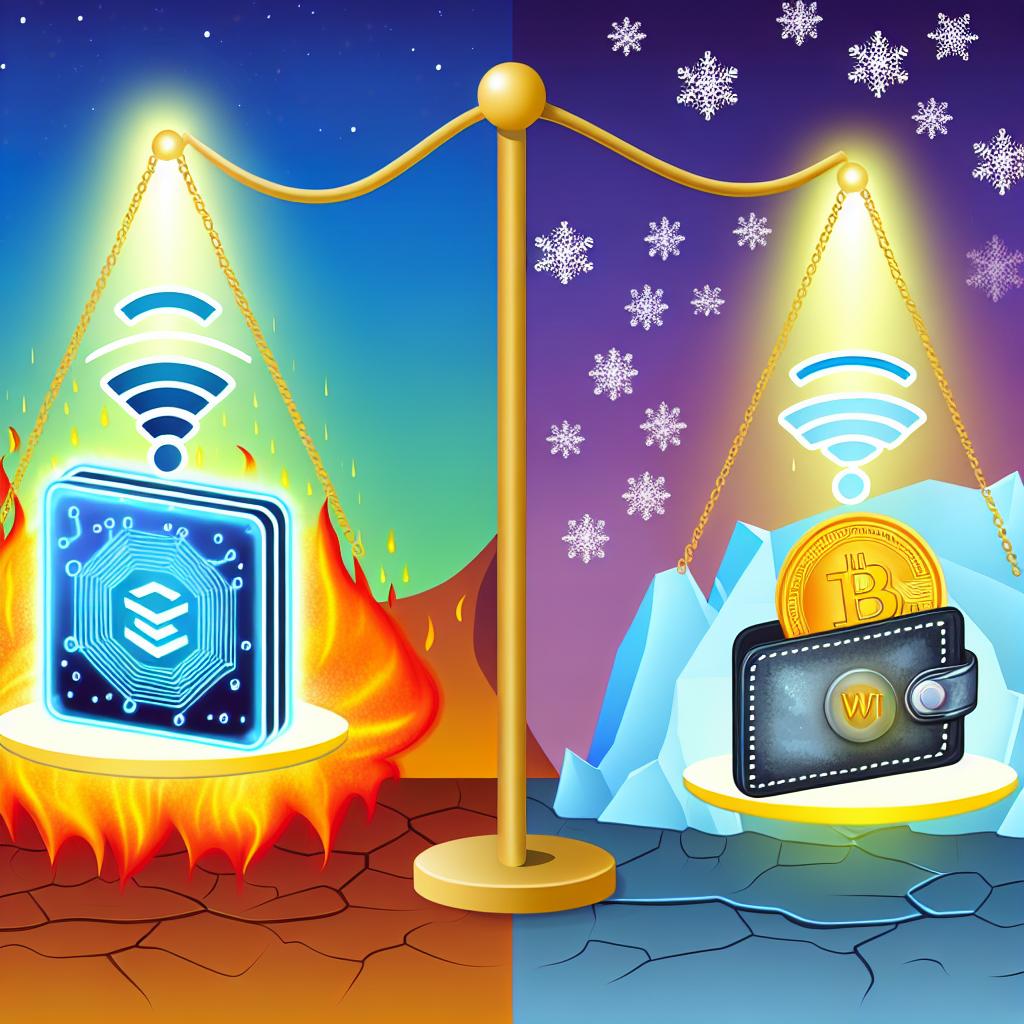
Hot wallets are a type of cryptocurrency wallet that maintains a connection to the internet. This connectivity delivers the distinct benefit of convenience, allowing users to access their funds promptly. Given their accessibility, hot wallets are frequently utilized for regular transactions and are highly favored by traders for their ease of use.

Various forms of hot wallets encompass mobile applications, desktop applications, and web-based platforms. These wallets are typically available at no cost, and many cryptocurrency exchanges provide integrated hot wallets to facilitate rapid trading. Nonetheless, the ongoing connection to the internet subjects hot wallets to a higher risk of cyberattacks and hacking endeavors.

Advantages of Hot Wallets

The principal advantage of utilizing hot wallets lies in their accessibility. Users can send and receive cryptocurrencies with minimal delay, making them an ideal solution for daily use and for those engaged in frequent digital asset trading. Their user-friendly nature ensures they are particularly appealing to a diverse range of users, from beginners to seasoned traders.

Disadvantages of Hot Wallets

The predominant drawback associated with hot wallets is the security concern. Due to their internet connectivity, hot wallets are more prone to online threats. As such, they might not represent the optimal choice for securing substantial cryptocurrency holdings over an extended duration. Users must be diligent in implementing additional security measures to safeguard their assets.

Cold Wallets

Cold wallets, interchangeably referred to as hardware wallets or offline wallets, operate by storing cryptocurrencies in an offline capacity. This disconnection from the internet offers superior protection against cyber threats. As a result, cold wallets are widely recommended for securely maintaining digital assets over the long term.

Cold wallets can be found in various forms, including hardware devices and paper wallets. Hardware wallets are tangible instruments that securely store private keys, enabling transactions without subjecting them to online environments. On the other hand, paper wallets involve the printing of cryptocurrency addresses and private keys on a physical piece of paper, which can be subsequently stored in a secure location.

Advantages of Cold Wallets

The most significant advantage of cold wallets is their unparalleled security. By remaining offline, they are virtually invulnerable to online hacking attempts, rendering them an ideal choice for storing substantial amounts of cryptocurrency safely over time. This feature makes them particularly appealing for individuals with significant cryptocurrency holdings seeking long-term storage solutions.

Disadvantages of Cold Wallets

Despite their robust security, cold wallets may present inconveniences for users requiring frequent access to their cryptocurrencies. Moreover, the potential loss of the physical hardware device or the paper containing private keys can result in the complete inability to access stored funds. Thus, it is crucial for users to ensure the physical security of these wallets.

Choosing the Right Wallet

The decision between a hot and a cold wallet primarily hinges on the user’s individual needs and priorities. For users who prioritize security and have intentions of holding their assets over an extended period, cold wallets generally emerge as the favored option. Conversely, users who place a higher value on convenience and plan to engage in frequent transactions may find hot wallets more aligned with their needs.

A comprehensive understanding of the fundamental differences between hot and cold wallets is indispensable for anyone participating in the crypto space. For users seeking further information, exploring knowledgeable resources, including security-focused cryptocurrency websites and reputable exchanges offering a broad spectrum of wallet solutions, may prove beneficial. It is also essential for users to adopt the requisite precautions to shield their digital assets, factoring in the unique advantages and risks posed by each wallet type.

Security Measures and Best Practices

Security is a primary concern for all cryptocurrency users, regardless of wallet type. Users employing hot wallets should consider implementing additional security measures, such as two-factor authentication, to further enhance their protection against potential threats. Regular software updates and vigilance against phishing attacks are equally crucial.

For cold wallets, secure physical storage is vital. This can involve using safety deposit boxes, or other secure locations to prevent the loss or theft of hardware devices or paper wallets. Additionally, creating multiple backups of private keys and securely storing them in different locations can prevent loss due to unforeseen circumstances.

Important Considerations

When selecting a crypto wallet, it is important to consider factors such as the user’s level of technical expertise and specific use case needs. Beginners may gravitate towards user-friendly interfaces that provide guided transactions, while experienced users might prioritize advanced features and manual control over security settings.

It is equally beneficial for users to engage with crypto communities and forums, sharing experiences and obtaining advice from seasoned users. This collaborative approach allows individuals to leverage collective knowledge and stay informed about emerging threats and the latest security practices.

In summary, crypto wallets are indispensable tools within the world of cryptocurrencies. Their purpose, functionality, and security differ significantly based on their classification as either hot or cold. A deep understanding of these differences and careful consideration of individual needs and priorities play a crucial role in aiding users to make informed decisions about securing their digital assets. Whether prioritizing convenience or security, users are encouraged to stay proactive and well-informed in order to navigate the dynamic landscape of cryptocurrency storage effectively.