Understanding the Challenge of 24/7 Cryptocurrency Markets
Cryptocurrency markets differ from traditional financial markets in one fundamental way: they operate continuously. There are no official opening or closing bells, no weekend shutdowns, and no extended holiday pauses that limit activity. Trading takes place twenty-four hours a day, seven days a week, across global exchanges. This uninterrupted structure creates constant access to opportunity, but it also introduces structural risks that are less prominent in time-restricted markets.
The continuous cycle alters how traders interact with price data, volatility, and decision-making. In traditional equity markets, downtime provides a natural pause for reflection, strategy review, and emotional recalibration. In contrast, digital asset markets offer no built-in breaks. Prices can change significantly at any hour, and news events can trigger rapid market reactions across time zones. For many participants, this environment increases the likelihood of frequent and unnecessary trading.
One of the most common behavioral risks within this structure is overtrading. While access to markets at any moment can seem advantageous, it also encourages excessive activity that may not align with a defined strategy. Capital can be eroded not by major errors but by repeated small transactions executed without a clear rationale. Understanding how continuous markets influence decision-making is the first step toward developing a disciplined trading approach.
The Nature of Overtrading
Overtrading occurs when a trader executes more transactions than their strategy requires or more than their capital allocation reasonably supports. It is not defined solely by frequency but by the absence of strategic necessity. A trader may place multiple trades in a short period that align with a well-tested system, which would not constitute overtrading. By contrast, entering and exiting positions impulsively, reacting to short-term fluctuations without clear criteria, reflects overtrading behavior.
In cryptocurrency markets, high volatility amplifies the temptation to act. Price swings can be sharp and frequent, particularly in smaller-cap tokens or during periods of heightened macroeconomic uncertainty. When traders observe rapid price movements, they may feel compelled to capture every fluctuation. This perception of constant opportunity can distort risk assessment and increase transaction costs.
Overtrading also reduces strategic clarity. A trading plan typically defines expected setups, risk parameters, and performance benchmarks. When trades are placed outside these parameters, performance analysis becomes unreliable. The trader may struggle to differentiate between strategy failure and behavioral deviation. As trade frequency increases beyond planned levels, tracking performance metrics such as win rate, average return, and drawdown becomes less meaningful.
Factors Contributing to Overtrading
Several structural and psychological factors contribute to excessive trading activity in digital asset markets. One primary factor is emotional reaction to volatility. Cryptocurrencies are known for rapid percentage-based movements that exceed those in many traditional asset classes. When prices rise quickly, fear of missing out may push traders into late entries. When prices fall sharply, anxiety may trigger impulsive exits or attempts to recover losses through immediate re-entry.
Another contributing factor is leverage. Many cryptocurrency exchanges offer margin trading or derivatives products that allow participants to control larger positions than their initial capital would otherwise support. While leverage can enhance returns when used responsibly, it also intensifies emotional responses. Minor price changes can significantly impact account balances, prompting rapid decision-making. This environment can encourage repetitive attempts to capitalize on small price swings, often resulting in increased transaction costs and higher exposure to loss.
A lack of a structured strategy further compounds the issue. Traders without clearly defined criteria for entry and exit are more vulnerable to market noise. Social media commentary, real-time trading feeds, and constant price alerts can shape decisions without systematic evaluation. Without predefined rules, each price movement may appear actionable, even when it does not align with a coherent methodology.
Market accessibility also plays a role. The ability to trade from mobile devices at any hour can blur the distinction between planned trading sessions and impulsive activity. Notifications about price changes, liquidations, or large market moves may trigger unscheduled trades. Over time, this pattern can normalize excessive engagement.
Developing a Disciplined Trading Plan
A structured trading plan serves as the primary safeguard against overtrading. Such a plan functions as a formal framework that guides decisions under varying market conditions. Rather than reacting to movement, traders refer to predetermined criteria to evaluate whether action is justified.
The first component of a disciplined approach involves defining clear objectives. Objectives should reflect time horizon, capital allocation, and acceptable risk exposure. A trader focused on long-term capital appreciation will evaluate opportunities differently from a short-term participant seeking intraday volatility. Clarity regarding purpose reduces the likelihood of mixing incompatible strategies within the same account.
A comprehensive trading strategy outlines precise entry and exit criteria. These may include technical indicators, price structure analysis, volume patterns, macroeconomic context, or a combination of factors. The essential element is objectivity. Conditions for trade initiation should be measurable and repeatable. If the defined criteria are not present, no trade should be executed.
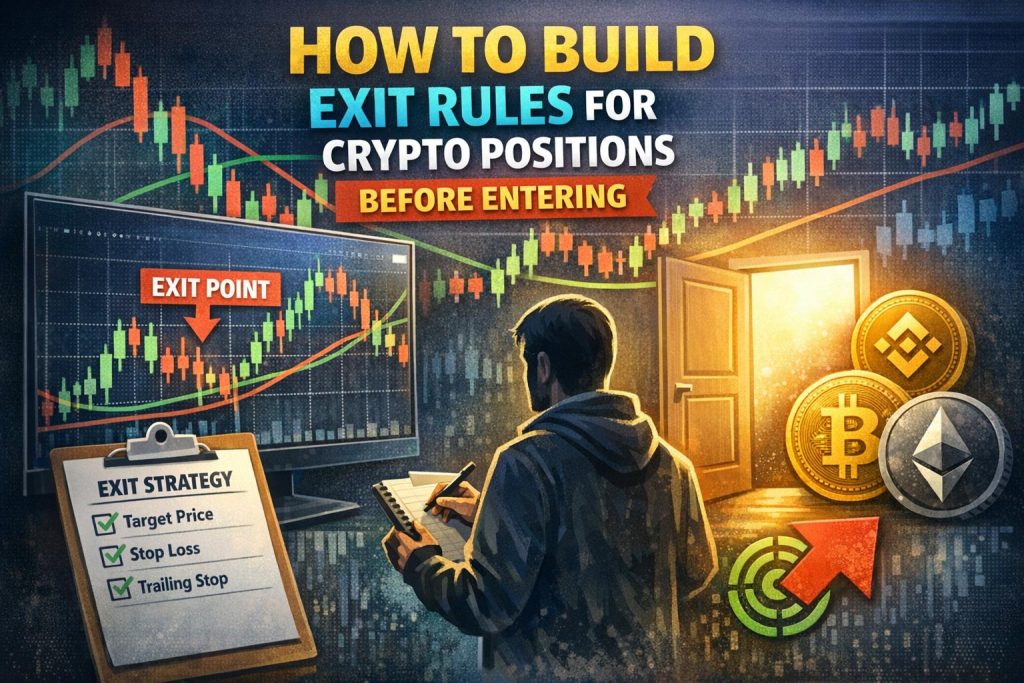
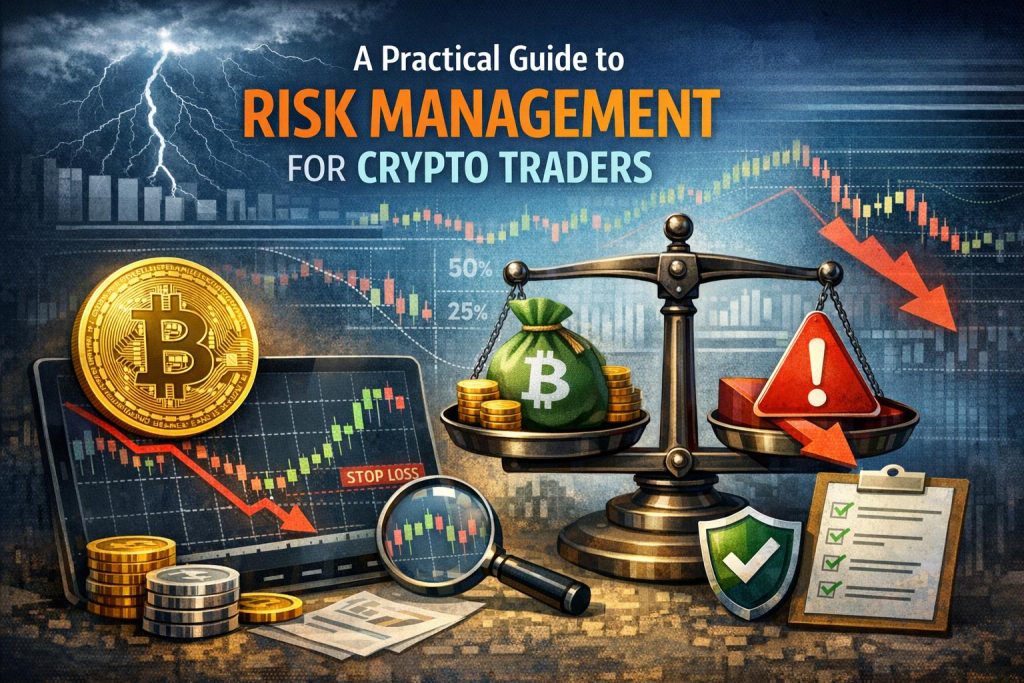
Risk management forms the structural foundation of disciplined trading. This includes specifying maximum capital allocation per trade, total portfolio exposure limits, and acceptable drawdown thresholds. Incorporating predefined stop-loss and take-profit levels helps prevent reactive decision-making during volatile conditions. By determining acceptable loss boundaries in advance, traders minimize hesitation and reduce the likelihood of extending losing positions impulsively.
Additionally, limiting the number of trades per day or week can operationalize discipline. When a trader sets a cap on trade frequency, each potential entry must compete against a constrained allocation of opportunities. This encourages selectivity and filters out marginal setups that do not meet high standards.
Documentation reinforces discipline. Maintaining a trading journal that records rationale, emotional state, trade size, and outcome allows systematic evaluation. Over time, patterns of unnecessary trades become identifiable. Reviewing this data objectively promotes accountability and continuous refinement of strategy.
Utilizing Technology for Monitoring
Technology can support structure when used deliberately. Automated tools can help ensure consistency between strategy and execution. For example, conditional orders allow traders to predefine triggers for entry or exit. Once established, these parameters reduce the likelihood of emotional interference during rapid price changes.
Algorithmic systems offer another layer of discipline for participants who possess adequate technical expertise. By encoding strategy rules into software, traders remove discretionary impulses from execution. This approach requires rigorous testing and risk controls, but it can reduce behavioral bias when implemented carefully.
Alerts and monitoring systems can also be configured to serve analytical rather than impulsive purposes. Instead of reacting to every price fluctuation, traders may set alerts tied specifically to predefined strategy conditions. This transforms notifications from emotional triggers into structured prompts aligned with analysis.
It is important that technology remains subordinate to methodology. Tools should reinforce discipline rather than increase engagement frequency. Overreliance on real-time feeds, chat groups, or automated signals without independent evaluation can intensify trading activity instead of regulating it.
Psychological Aspects of Overtrading
Behavioral factors play a central role in trading frequency. Recognizing internal drivers is as important as establishing external rules. Emotional regulation provides the foundation for rational decision-making in volatile markets.
Managing emotions involves identifying triggers such as frustration after losses or urgency after observing rapid gains. Traders who attempt to immediately recover losses often increase position size or trade frequency, a pattern that can accelerate drawdowns. Establishing a rule to pause trading after a predefined loss threshold can interrupt this cycle and restore analytical clarity.
Overconfidence presents another challenge. Consecutive successful trades may create a perception of heightened predictive ability. This can lead to larger position sizes or deviation from established rules. Objective performance tracking helps counteract this bias by contextualizing results within longer-term statistics rather than short-term outcomes.
Patience remains a defining characteristic of sustainable trading. Cryptocurrency markets produce extended periods of consolidation where price action offers limited high-probability setups. Accepting inactivity during these phases preserves capital for more favorable conditions. Viewing inactivity as a strategic choice rather than missed opportunity can reduce compulsive engagement.
Sleep, routine, and physical well-being also influence trading behavior. Continuous markets can encourage late-night monitoring and irregular decision-making. Structured trading hours, even in markets that never close, can protect cognitive performance and promote consistency.
Continuous Education and Market Awareness
Disciplined trading does not imply static knowledge. Cryptocurrency ecosystems evolve rapidly, introducing new protocols, regulatory developments, and macroeconomic influences. Ongoing education supports informed decision-making and reduces reliance on speculation.
Studying market structure, liquidity dynamics, and order flow enhances understanding of how price movements occur. Learning about derivatives, funding rates, and market maker behavior provides insight into short-term volatility drivers. A well-informed trader is less likely to interpret random fluctuation as meaningful signal.
However, information consumption must be selective. Excessive engagement with commentary and price forecasts can encourage reactive decisions. Structured research schedules, combined with critical evaluation of sources, help maintain analytical independence.
Simulation and backtesting can further strengthen discipline. Testing strategies against historical data clarifies performance characteristics under various conditions. This preparation builds confidence in methodology, reducing the temptation to abandon rules during temporary drawdowns.
Conclusion
The continuous nature of cryptocurrency markets creates an environment where opportunity and risk are closely intertwined. Without formal closing periods, traders must impose their own structure. Overtrading represents a common behavioral outcome of unrestricted access, high volatility, and rapid information flow.
Preventing excessive activity requires a comprehensive framework that integrates objective strategy design, defined risk management parameters, and disciplined execution. Technology can assist in monitoring and automation when aligned with pre-established rules. Equally important is attention to psychological processes, including emotional regulation, patience, and self-assessment.
Sustained participation in digital asset markets depends less on constant activity and more on selective engagement. By prioritizing quality of decision-making over quantity of trades, market participants can reduce unnecessary losses, preserve capital, and establish a foundation for long-term performance within a twenty-four-hour global trading environment.